

Church of Unixploria

We are an ecumenical Christian church with roots in ancient Christendom.

Innocue vivito numen adest
Ora et labora
The Church of Unixploria

ABOUT US


The Church of Unixploria is based on the Four Marks of the church as stated in the Nicene Creed: Unity, Holiness, Catholicity, and Apostolicity.


We are a Christian church with a rich history rooted in ancient Christendom. While we have some differences from the Protestant, Orthodox, and Catholic denominations, we recognize them as part of our global community of Christians. In essence, we are a Christian church that welcomes all.
A Unified Theology: The Church of Unixploria

Introduction

The Church of Unixploria seeks to bridge the historical and theological divide between Roman Catholicism and Protestantism, fostering a unified spiritual tradition rooted in faith, reason, and community. This theology acknowledges the profound influence of both traditions while crafting a doctrinal framework that respects diversity, encourages ecumenical dialogue, and celebrates Christianity's shared heritage.


Core Tenets

At its foundation, the theology of the Church of Unixploria is built upon five guiding principles:


1. Scripture and Tradition in Harmony

Rather than adhering strictly to sola scriptura (Scripture alone) or sacred tradition as separate authorities, Unixplorian theology embraces both. Scripture remains the ultimate revelation of divine truth, yet Church tradition provides valuable guidance in its interpretation, ensuring continuity with historical Christian teachings while allowing for theological refinement.


2. Faith and Works in Unity

Salvation is understood as a gift of grace through faith in Christ, but this faith naturally produces good works as evidence of a transformed life. By balancing Catholic and Protestant views, the Church avoids legalism and complacency extremes, emphasizing personal devotion and service to others as integral aspects of Christian living.


3. Sacramental and Spiritual Life

The Church of Unixploria acknowledges the importance of sacraments as means of divine grace, affirming Baptism, Eucharist, and other sacred rites. However, sacraments are made more accessible to believers, reducing rigid institutional control while preserving their spiritual significance.


4. Ecclesiastical Autonomy and Unity

The Church of Unixploria adopts a blended governance model by rejecting centralized ecclesiastical authority yet valuing structured leadership. While respecting the Catholic hierarchy, the Church grants autonomy to local congregations, ensuring meaningful participation among believers.


5. Inclusive Worship and Theological Diversity

Unixplorian theology recognizes the diverse expressions of faith within Christianity. It welcomes both liturgical and non-liturgical worship styles, fostering an environment where believers from differing backgrounds can find spiritual fulfillment.


Sacraments and Practices

The Eucharist

The Eucharist remains central to Unixplorian worship, honoring the Catholic belief in Christ’s real presence while maintaining Protestant accessibility. Communion is open to all baptized believers, reflecting a welcoming and inclusive approach to the Lord’s table.


Baptism

Baptism is recognized as an essential rite of initiation into the faith, and both infant and adult baptism are acknowledged as valid expressions of Christian commitment.


Confession and Spiritual Guidance

A unique element of Unixplorian theology is shared confession. While private confession is encouraged for spiritual growth, absolution is not restricted to ordained clergy; believers can seek guidance from clergy and trained spiritual mentors.


Ecumenical Councils and Doctrinal Development

To foster unity and continuous theological refinement, the Church organizes Ecumenical Summits, where clergy and laity discuss how to interpret doctrine in light of contemporary challenges.


Community Life and Governance

Leadership Structure

The Church embraces a Council of Shepherds, consisting of ordained ministers and elected lay leaders, ensuring a balance of spiritual oversight and community engagement. The priesthood is preserved through apostolic succession, but is not exclusive—any believer may engage in ministry under proper guidance.


Sacred Dialogue and Unity Celebrations

To foster intellectual and spiritual growth, the Church hosts Sacred Dialogue Forums, where members discuss theology, ethics, and contemporary issues from multiple perspectives. Additionally, annual Unity Celebrations commemorate the shared heritage of Catholicism and Protestantism, reinforcing the Church’s mission of theological harmony.


Conclusion

The Church of Unixploria offers a compelling vision for a Christian tradition that honors history while embracing diversity. The Church fosters faith, inclusivity, and intellectual engagement by integrating Roman Catholic and Protestant elements into a cohesive theology. In a world often divided by doctrine, Unixploria stands as a beacon of unity, inviting believers to explore the richness of Christianity through shared worship, tradition, and theological discourse.

Mark 9:40
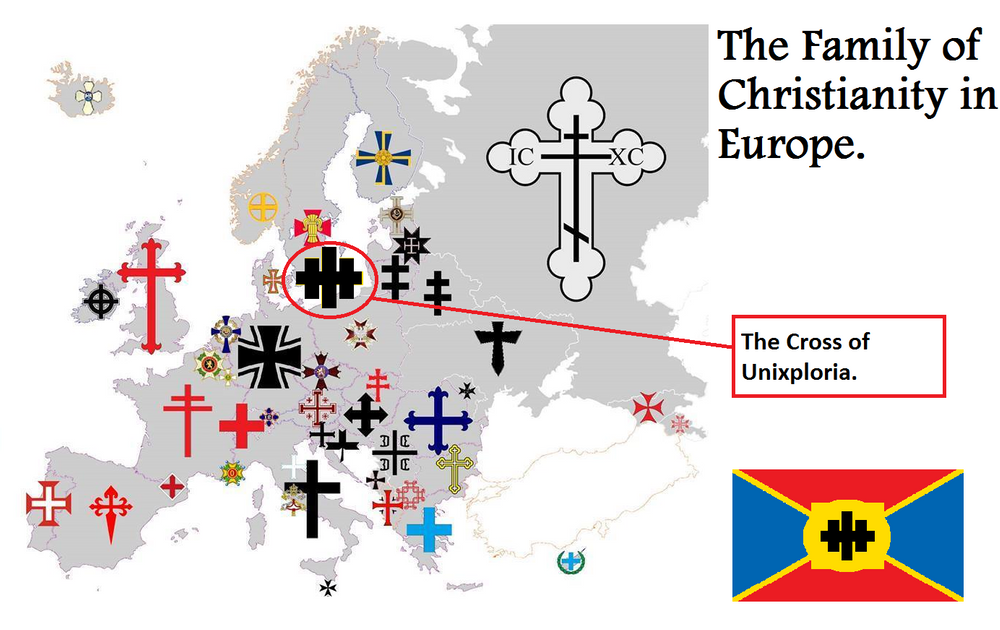
The Family of Christianity in Europe.
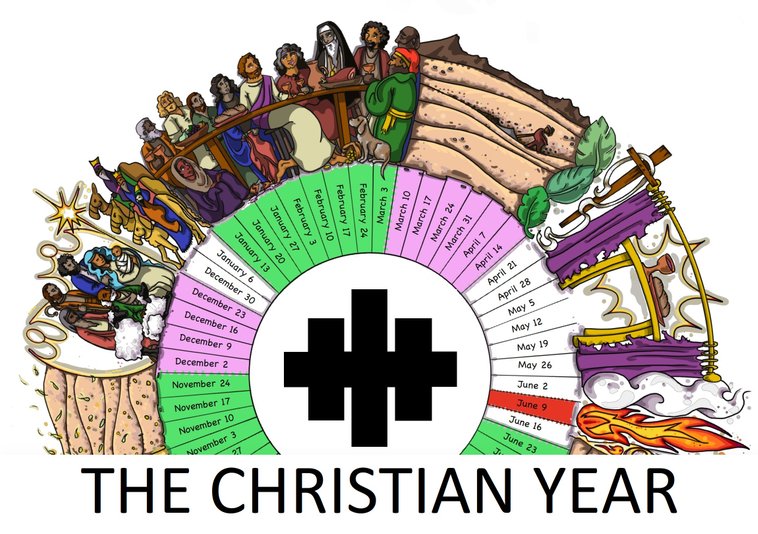
The Christian Year
Encyclopedia Religiosa

Encyclopedia Religiosa

To grow in Christ, we must read and contemplate beyond the teachings of our spiritual leaders. Therefore, we have started authoring brief articles on various ideologies and movements to assist us in our studies.

WE BELIEVE


We believe in God,

the Father almighty,

Creator of heaven and earth,

and in Jesus Christ, his only Son, our Lord,

who was conceived by the Holy Spirit,

born of the Virgin Mary,

suffered under Pontius Pilate,

was crucified, died and was buried;

he descended into hell;

on the third day he rose again from the dead;

he ascended into heaven,

and is seated at the right hand of God the Father almighty;

from there he will come to judge the living and the dead.

We believe in the Holy Spirit,

the holy universal Church,

the communion of saints,

the forgiveness of sins,

the resurrection of the body,

and life everlasting.

Amen.
We do not peddle the word of God
Saved by grace
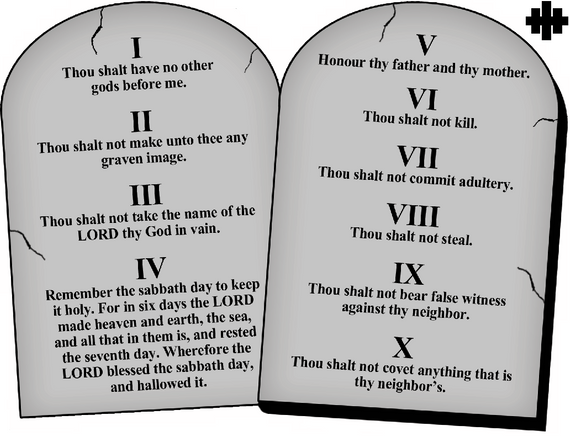
The Ten Commandments

Seven Vexations to Leading a Christian Life
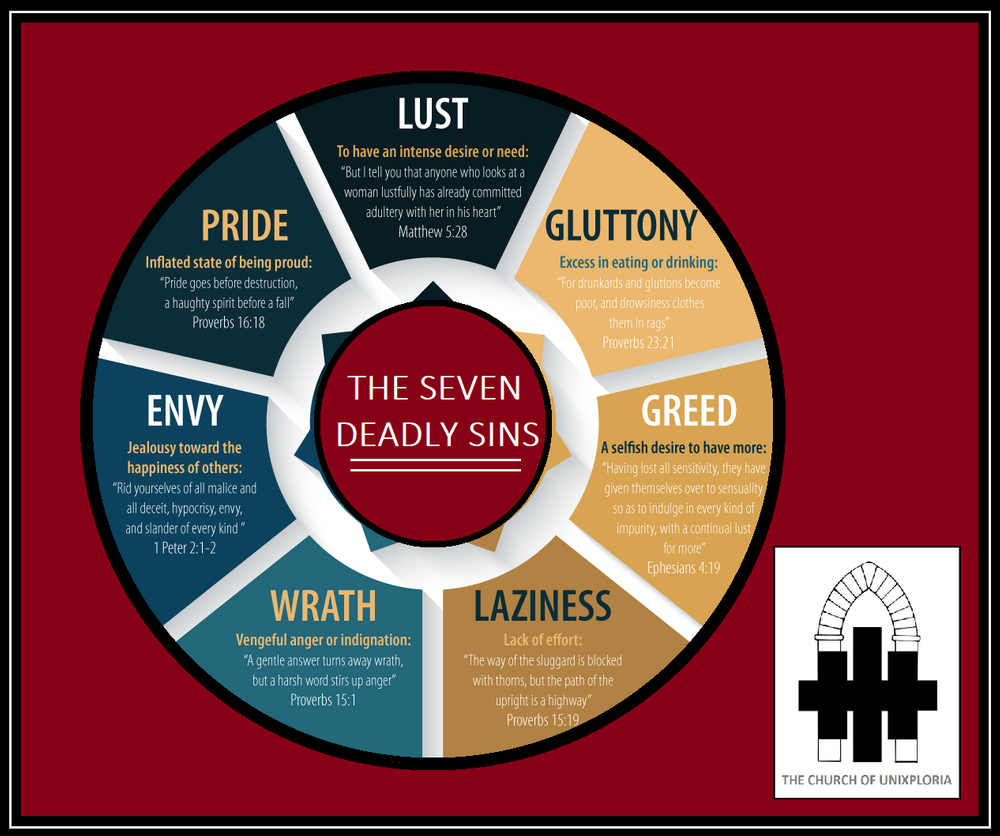
Seven vexations