


About Calendars and Measuring Time
Artifacts from the Paleolithic suggest that ancient people used the moon to measure time with lunar calendars, which consisted of 12 or 13 lunar months (354 or 384 days).
The seasons quickly drift in a calendar based solely on twelve lunar months without adding extra days or months. To make up for the difference between a full year (now known to be about 365.24 days) and a year of twelve lunar months, some years in lunisolar calendars have a thirteenth month added to them.
The numbers twelve and thirteen have been significant in many cultures due to their relationship with the months and years. Another calendar type was developed in Mesoamerica, particularly in the ancient Mayan civilization. These calendars were based on religion and astronomy, with a year consisting of 18 months and each month consisting of 20 days. Additionally, there were five epagomenal days at the end of the year.
In 45 BC, Julius Caesar introduced reforms that changed the Roman world's calendar to a solar one. However, the Julian calendar had a flaw, as its intercalation still allowed the astronomical solstices and equinoxes to progress against it by approximately 11 minutes every year.
Pope Gregory XIII introduced a correction to fix this issue in 1582. Although different nations took centuries to adopt the Gregorian calendar, it is now the most commonly used calendar worldwide.
The Kingdom of Unixploria uses the Gregorian calendar but keeps an older Norse calendar to honor our Viking ancestors. Like the Calendar for Diversity and Inclusion, our Norse Calendar offers another perspective: a culturally homogenous calendar where nature sets the tone for festivities and seasons. In modern times, we need both the global and the local, and we need both a multinational, tolerant outlook and a culturally homogenous heritage to keep our feet on the ground.
- N.B. Red days (bold text) are mandatory flag days.
- (*) = This holiday or observation falls on a different date each year.
Calendar for Holidays and Observances in Unixploria
January
1 – New Year's Day
1 – International Pizza Day
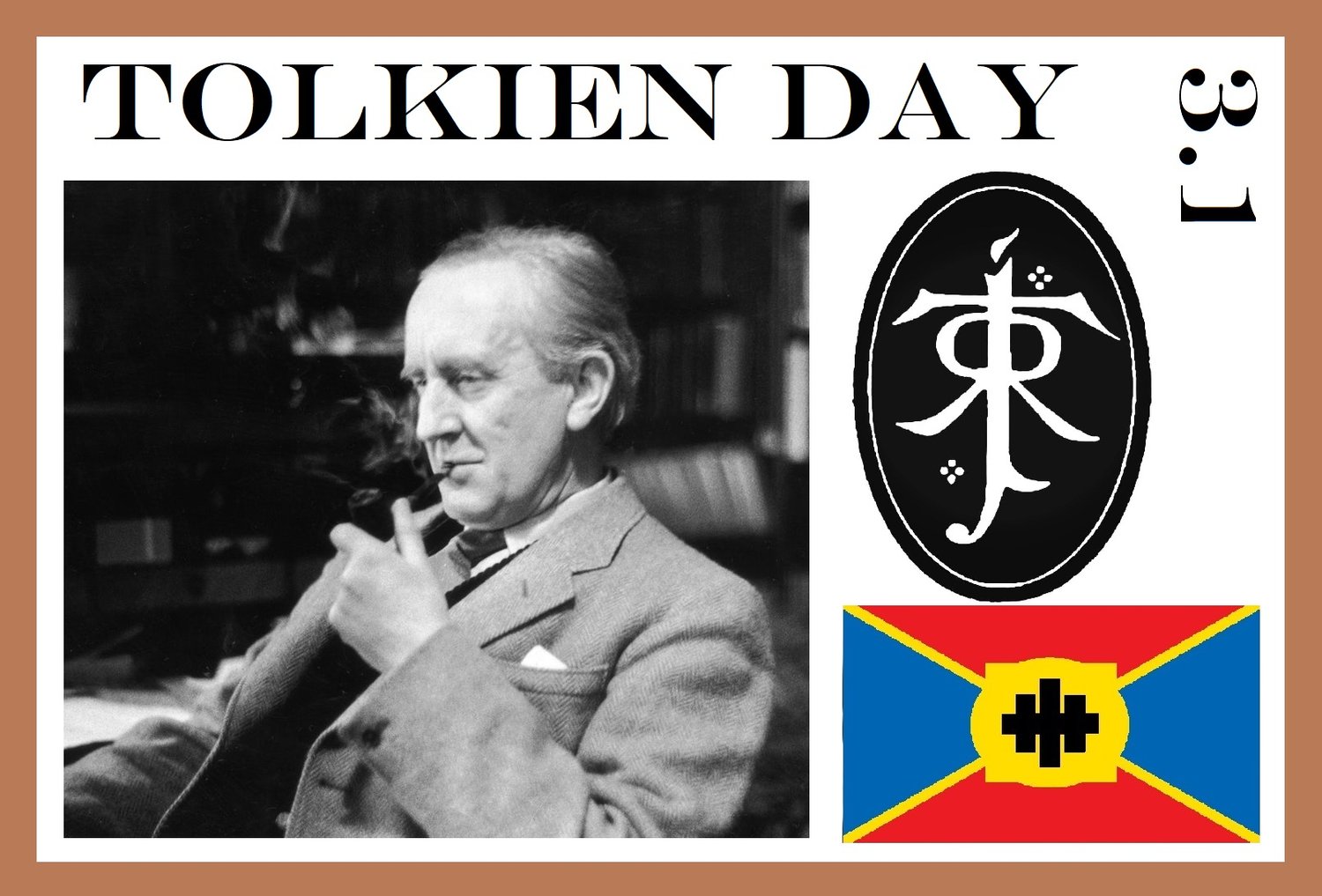
3 – J.R.R. Tolkien Day
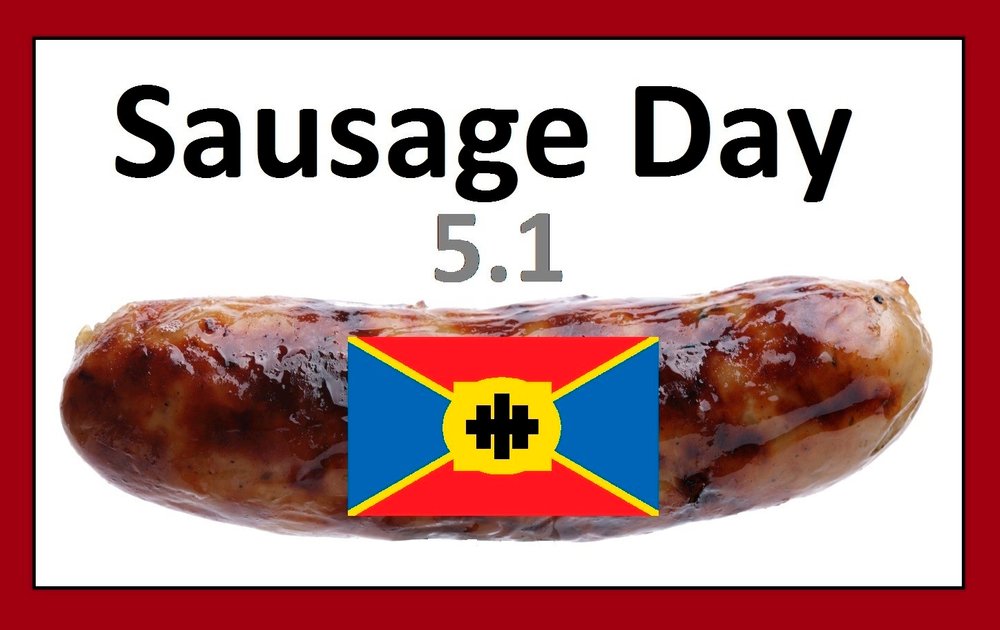
5 – Sausage Day
6 – Epiphany
10 – Tintin Day
27 – International Holocaust Remembrance Day
28 – National Bible Day (*)
February
5 – Carl Spitzweg Day
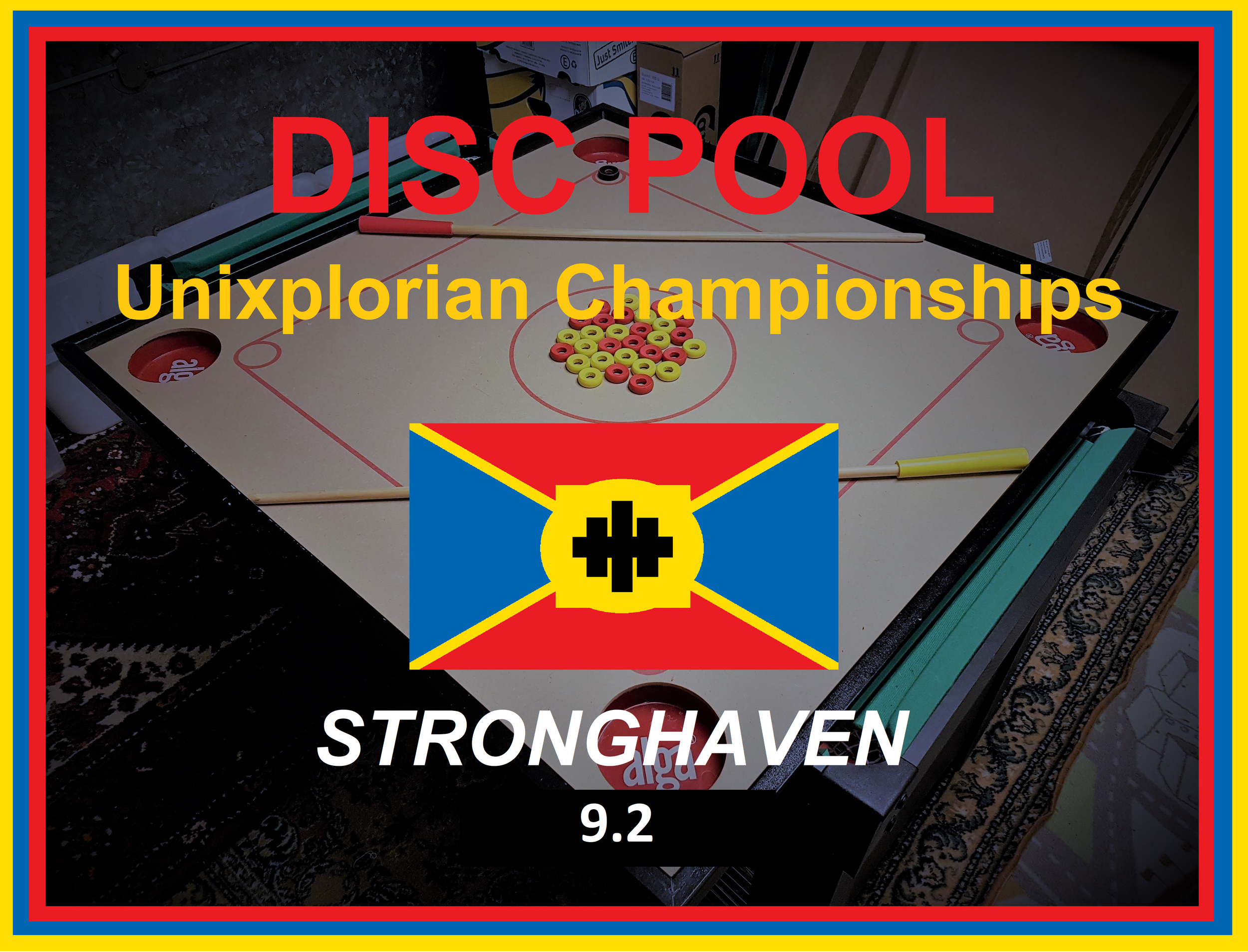
10 – Unixplorian Disc Pool Championships (*)
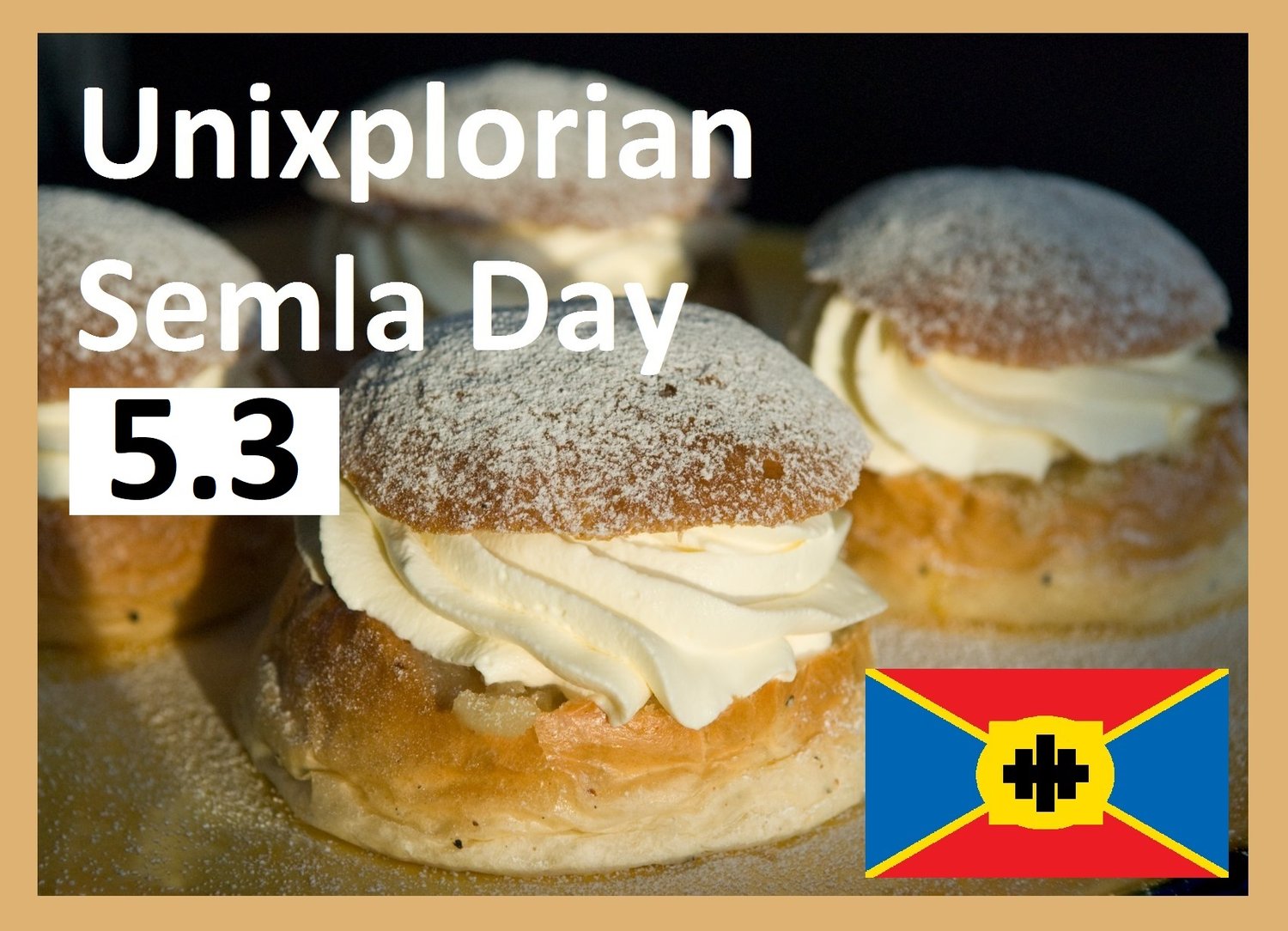
13 – Unixplorian Semla Day (*)
14 – St. Valentine's Day
14 – Ash Wednesday (Lent begins)*
18 – Wine Day
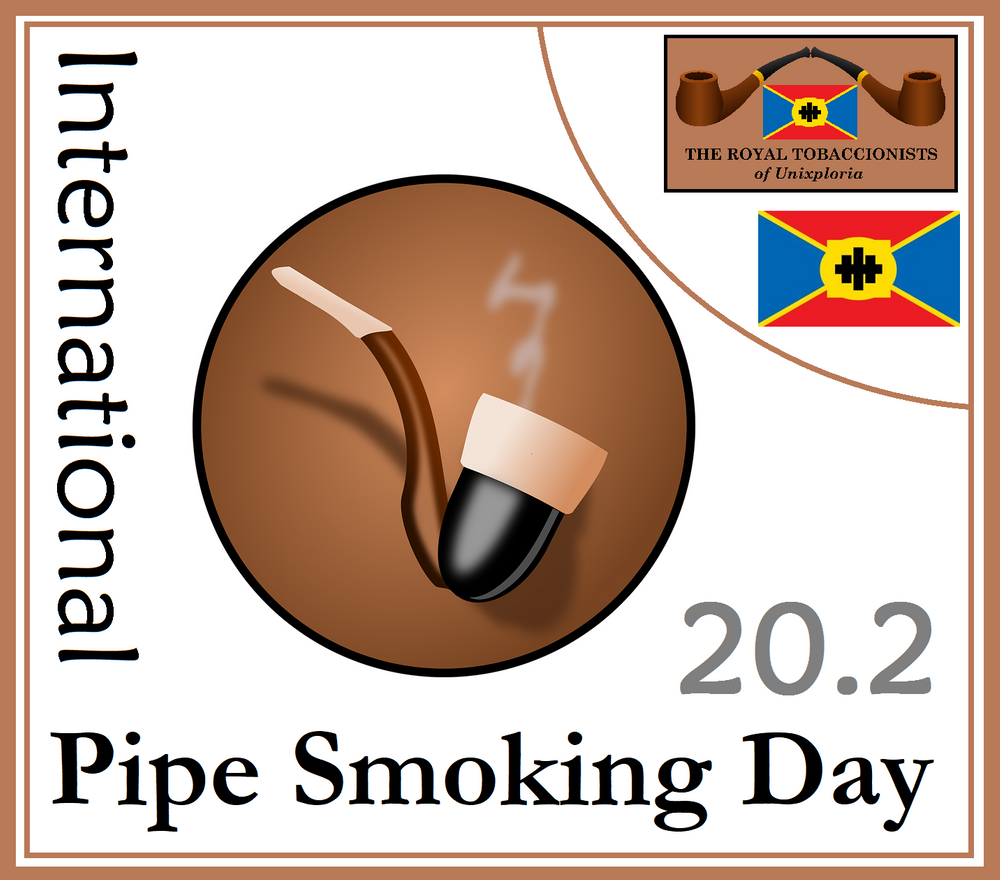
20 – International Pipe Smoking Day
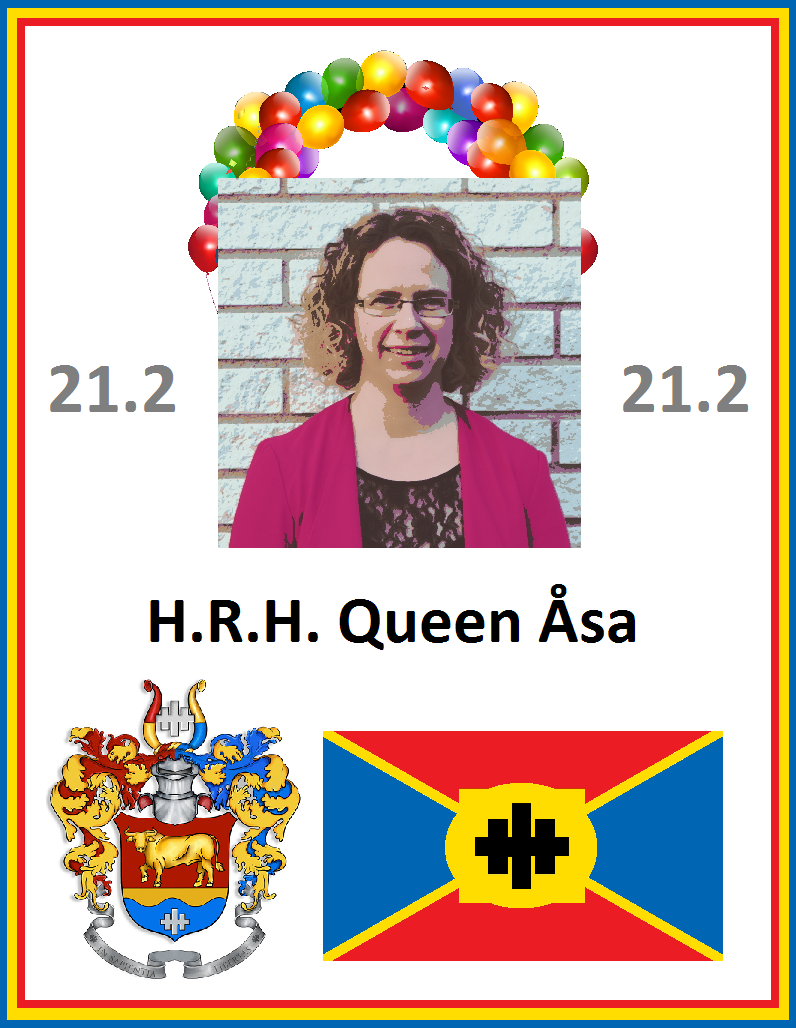
21 – The Queen's Birthday
27 – International Cigar Day
March
1 – Hug A Librarian Day
8 – International Women's Day
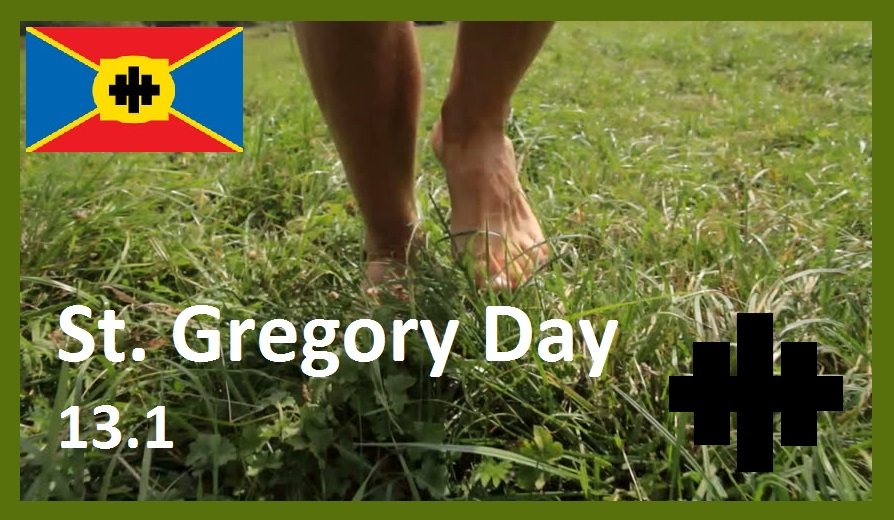
12 – St. Gregory Day
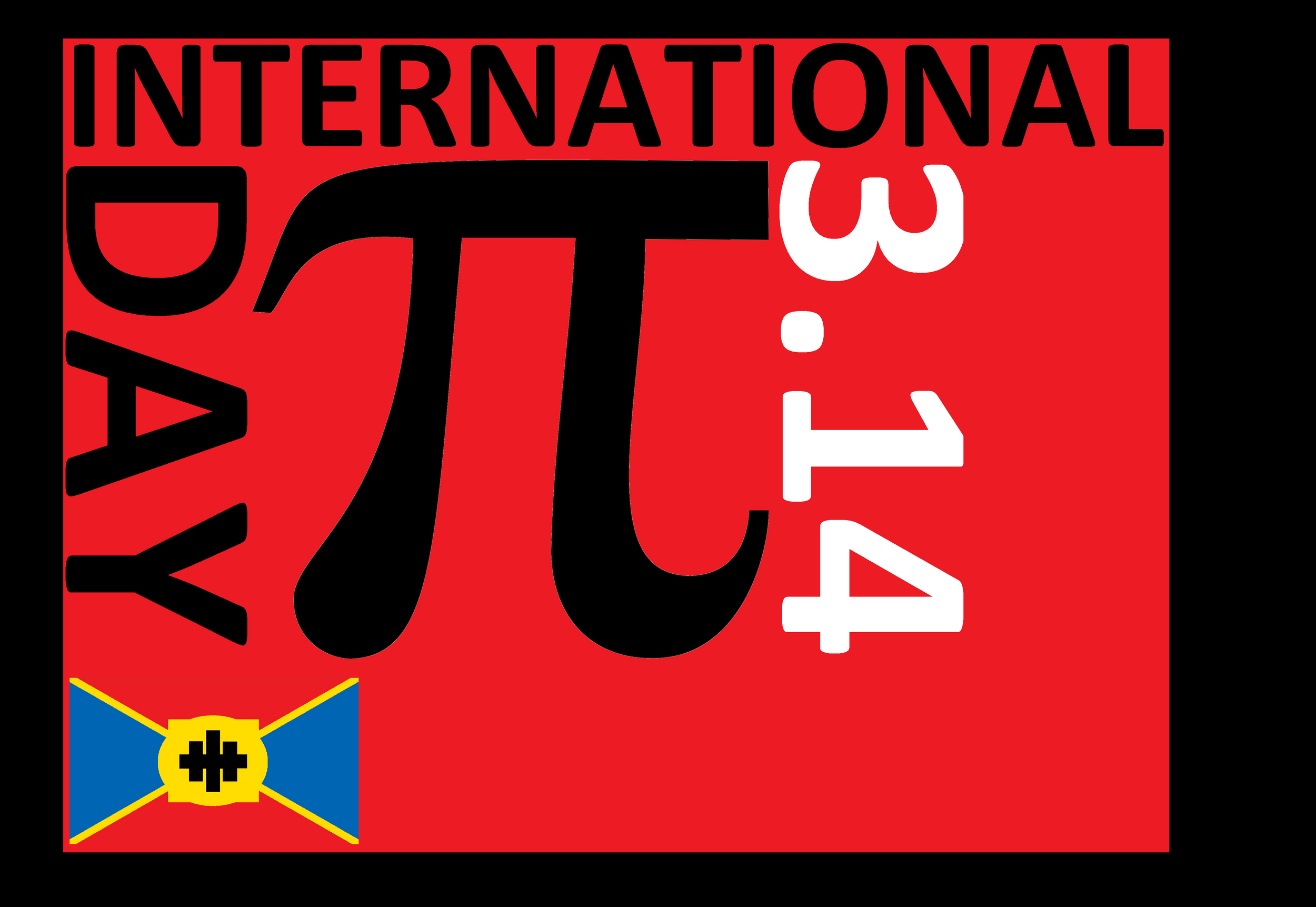
14 – International PI Day
16 – Unixplorian Collector's Day (*)
20 – Award for Collector of the Year
28 – Lent ends
29 – Good Friday (*)
30 – Holy Saturday (*)
31 – Resurrection Sunday (*)
31 – Unixplorian Snus Day
April
1 – Easter Monday (*)
2 – Autism Awareness Day
5 – First Contact Day
13 – Unixplorian History Day (*)
22 – World Earth Day
23 – World Book Day
30 – Walpurgis
May
4 – Star Wars Day
9 – Ascension Day (*)
15 – International Day of Families
19 – Pentecost (*)
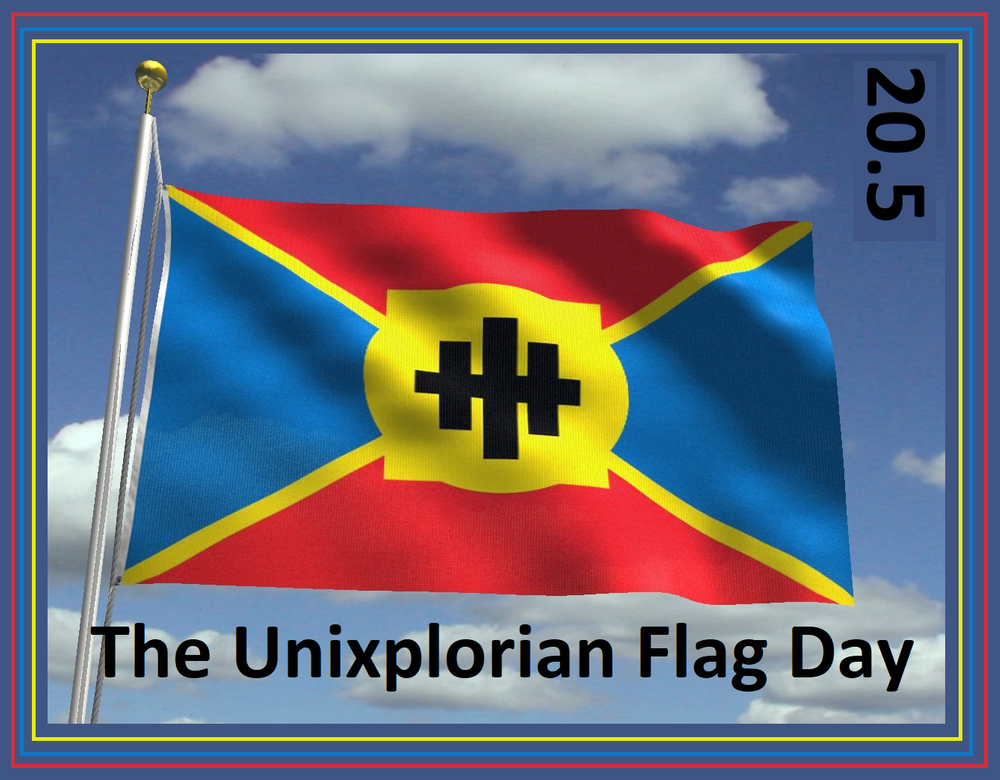
20 – The Unixplorian Flag Day
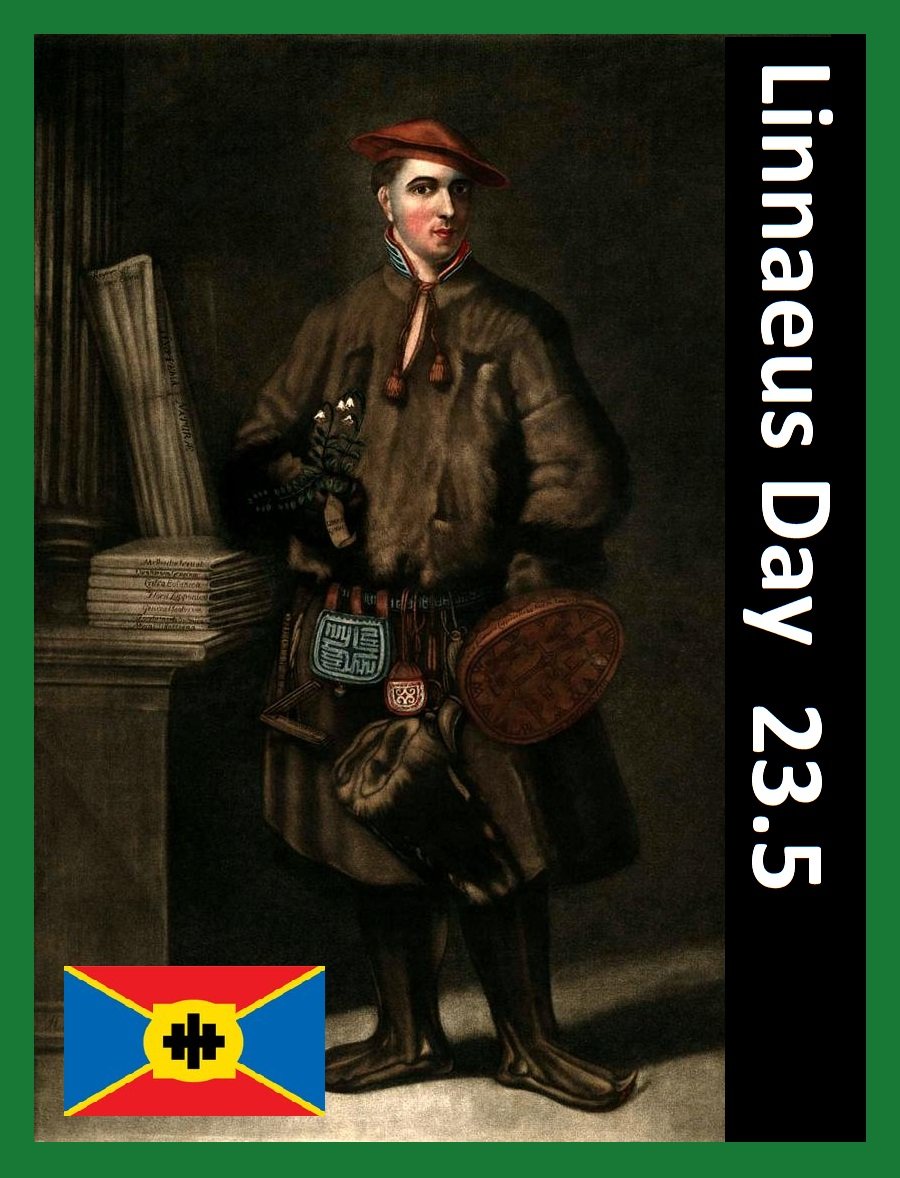
23 – Linnaeus Day
25 – Geek Pride Day
26 – Mother's Day (*)
28 – Burger Day
June
1 – World Milk Day
6 – Swedish Cultural Heritage Day
14 – International Steampunk Day
21 – Midsummer's Eve (*)
22 – Midsummer's Day (*)
22 – The King's Birthday
24 – Nativity of St John the Baptist (*)
July
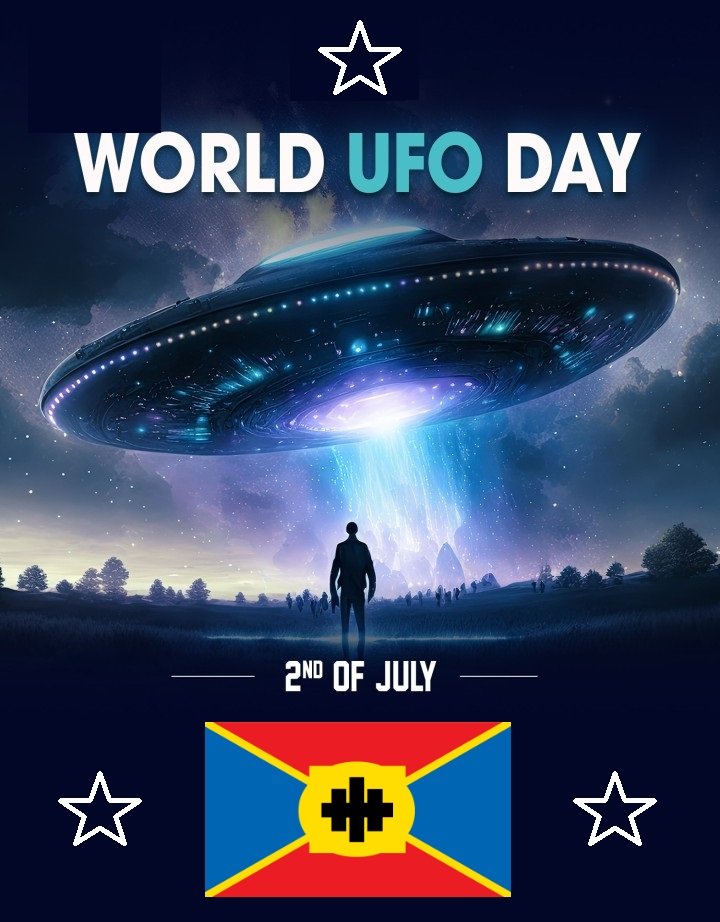
2 – World UFO Day
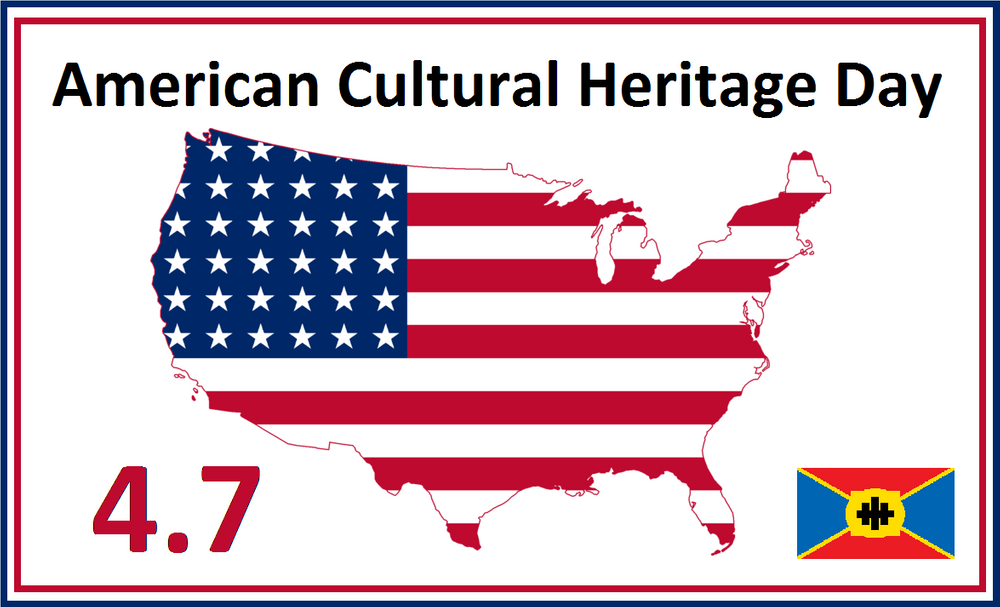
4 – American Cultural Heritage Day
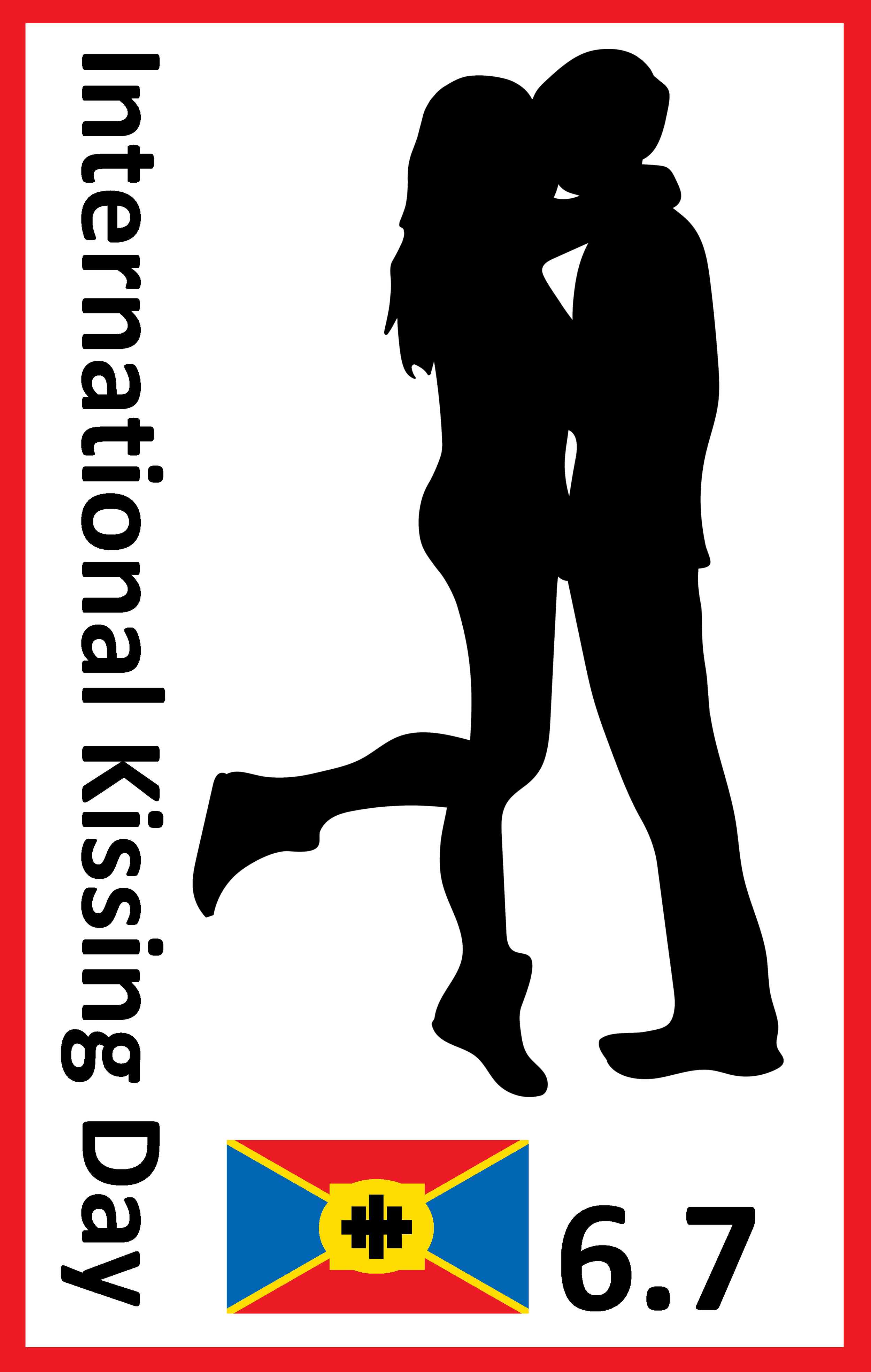
6 – International Kissing Day
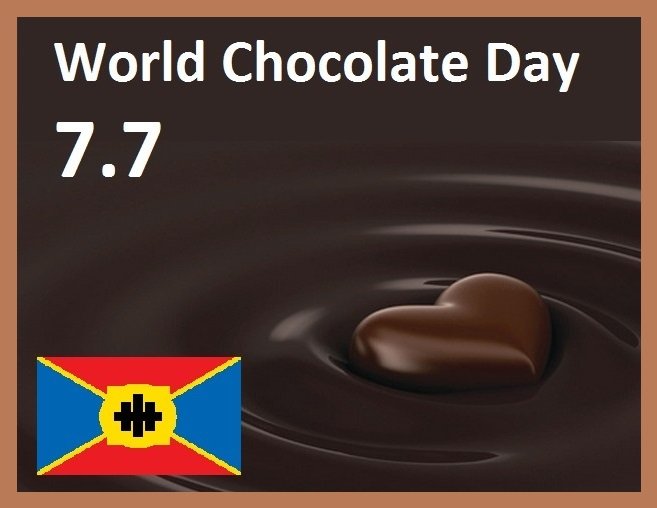
7 – World Chocolate Day
10 – Pith Helmet Day
13 – Unixplorian Art Day (*)
20 – International Chess Day
29 – Lasagna Day
August
3 – Watermelon Day
7 – International Beer Day
7 – Crayfish Premiere (*)
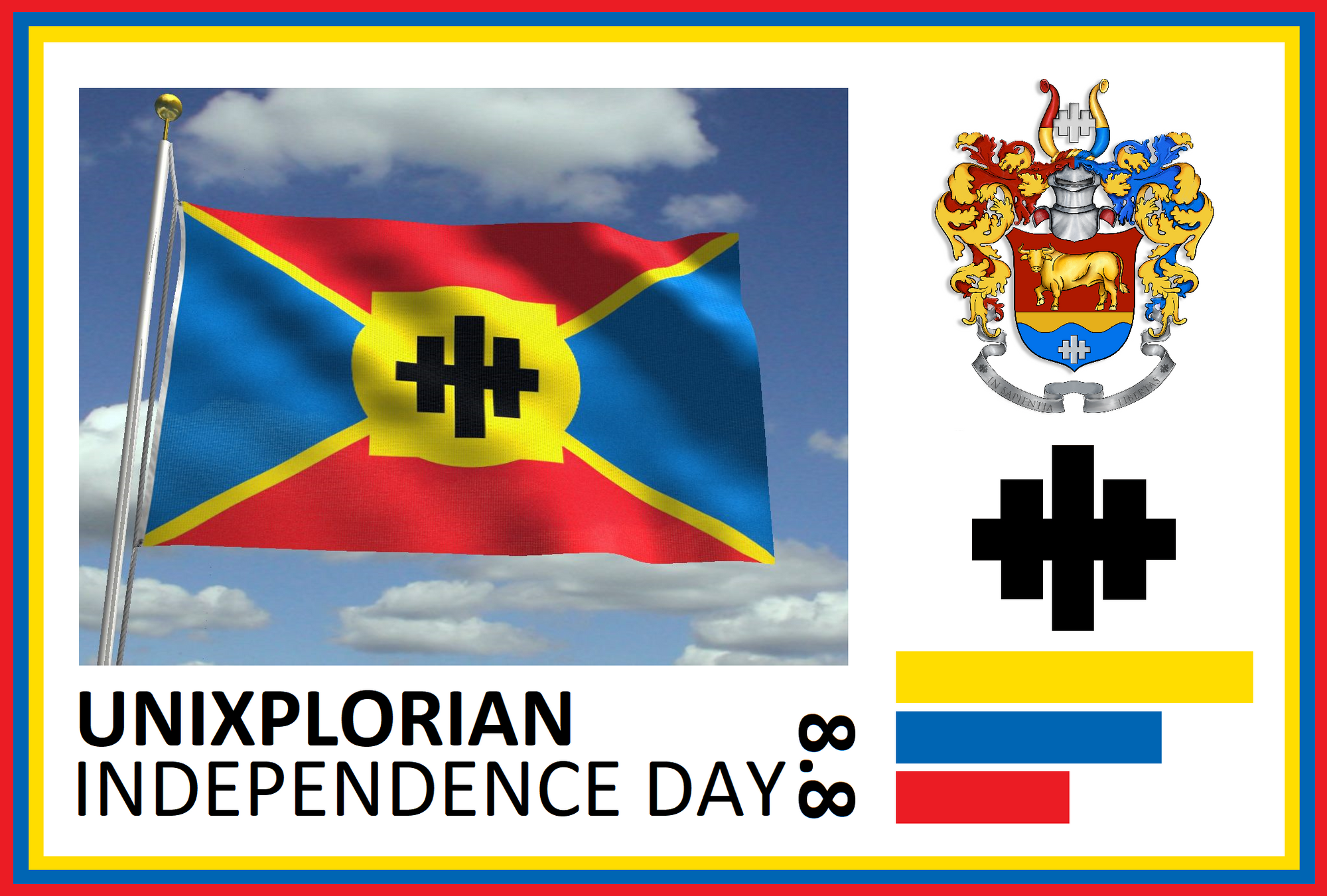
8 – Independence Day
23 – Meatball Day
24 – Knife Day
28 – Bow Tie Day
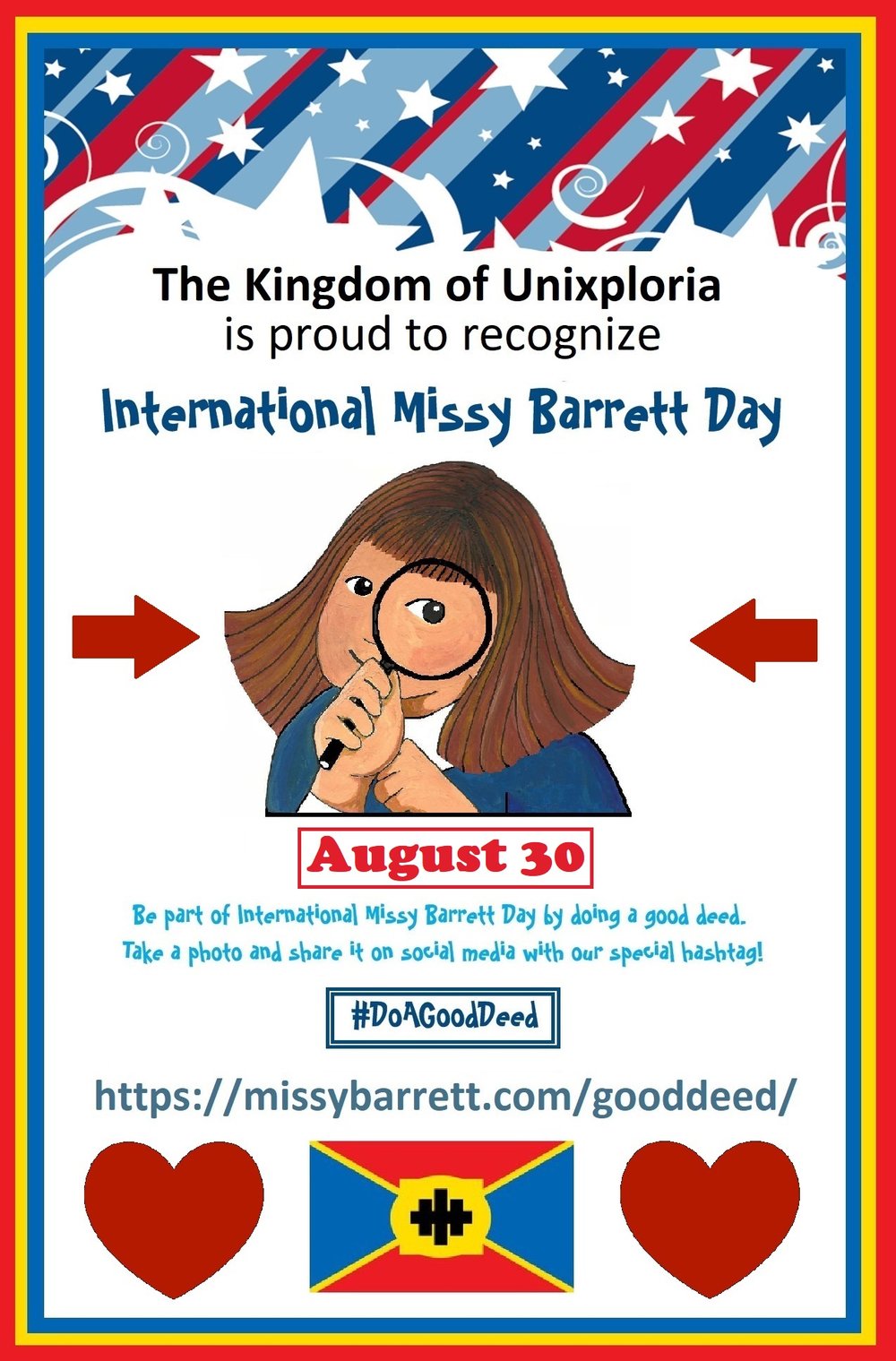
30 – International Missy Barrett Day
September
5 – International Bacon Day
8 – Unixplorian Environmental Prize
14 – Mixed-Media Painting Contest (*)
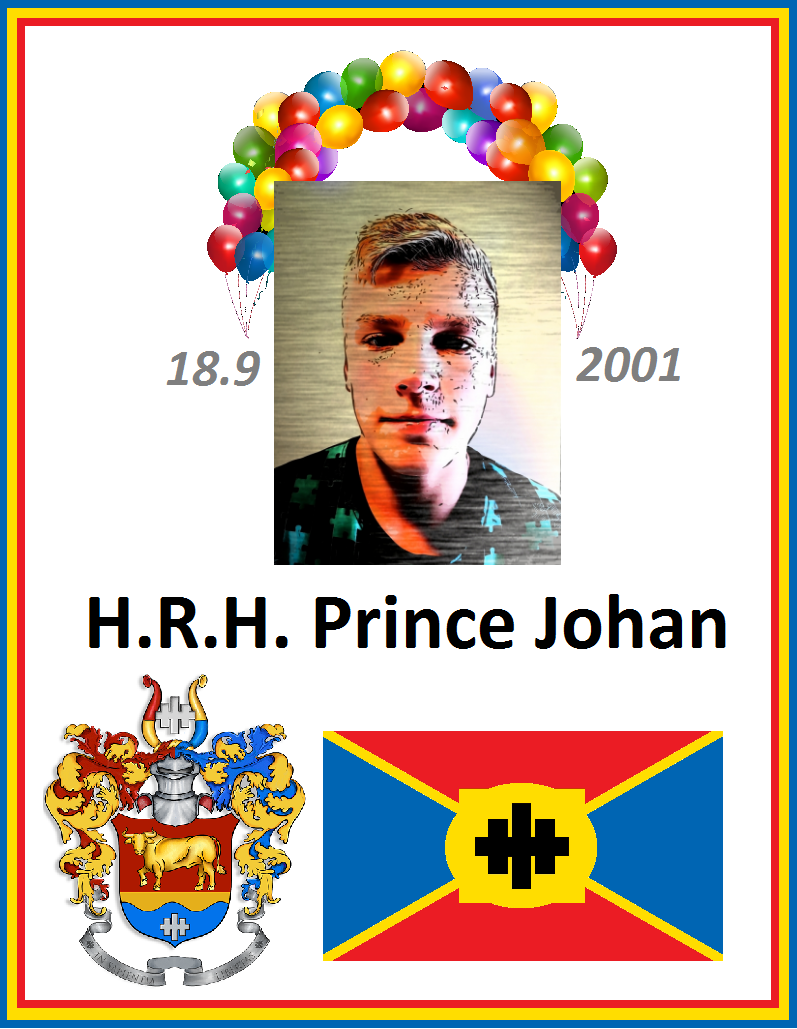
18 – Prince Johan's birthday
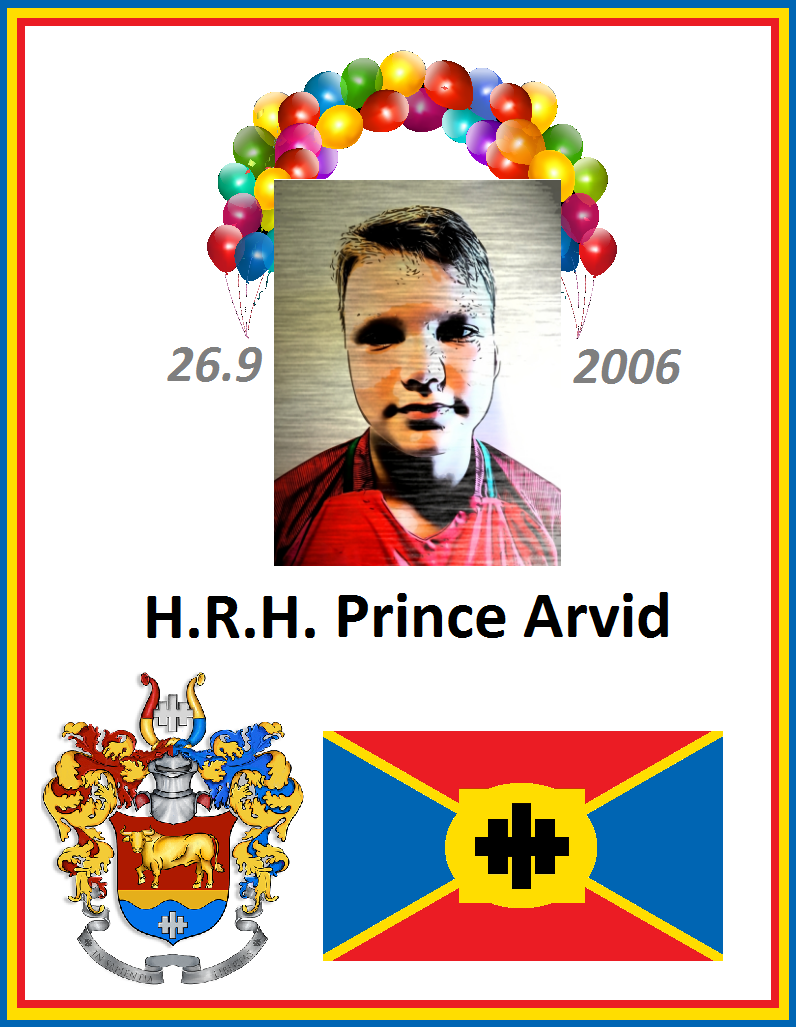
26 – Prince Arvid's birthday
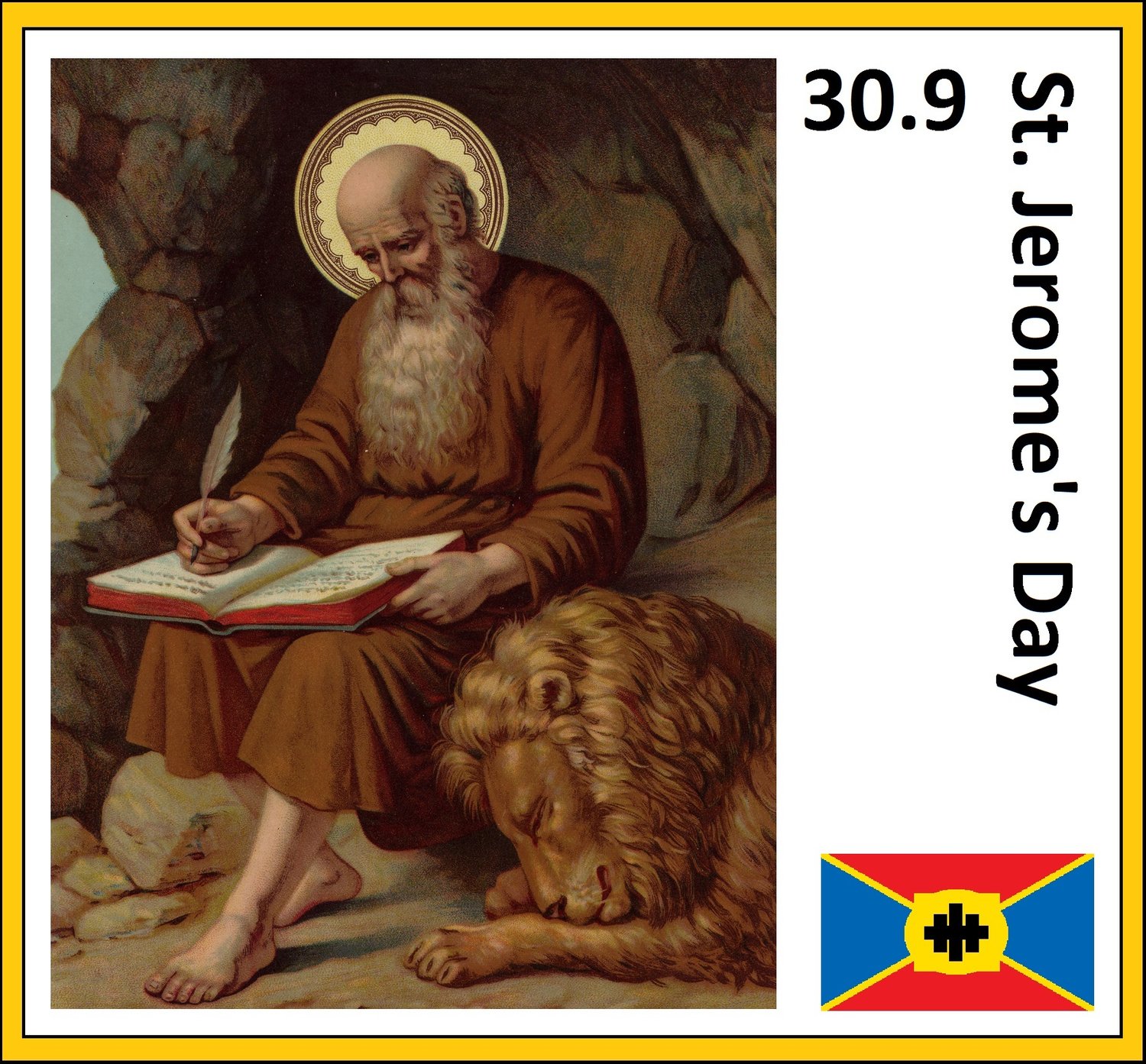
30 – St. Jerome's Day
October
4 – Cinnamon Bun Day
5 – Global James Bond Day
12 – Unixplorian Quiz Championships (*)
16 – International Dictionary Day
16 – World Food Day
19 – Oktoberfest (*)
27 – International School Library Day
31 – Halloween
31 – Sir Douglas' Birthday
November
2 – All Saints' Day (*)
9 – Unixplorian Movie Awards (*)
14 – World Diabetes Day
16 – Unixplorian Writing Day (*)
17 – World Philosophy Day
17 – The Greyest Day of the Year
23 – Unixplorian Ludo Championships (*)
December
6 – Finnish Cultural Heritage Day
7 – Unixplorian Chess Championships (*)
10 – Order of Saint Paul
13 – St Lucy's Day
23 – Award for Micronational Creativity
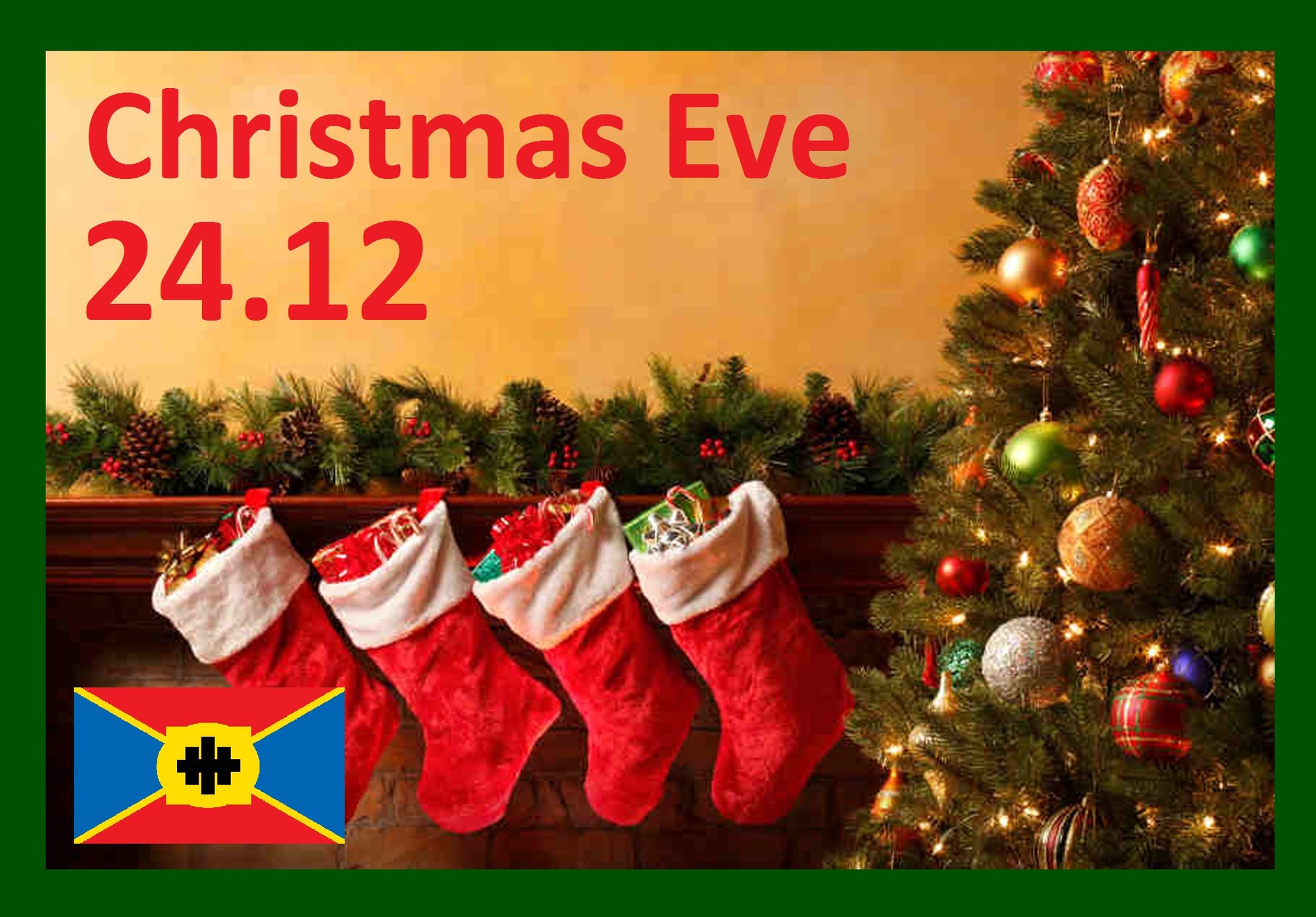
24 – Christmas Eve
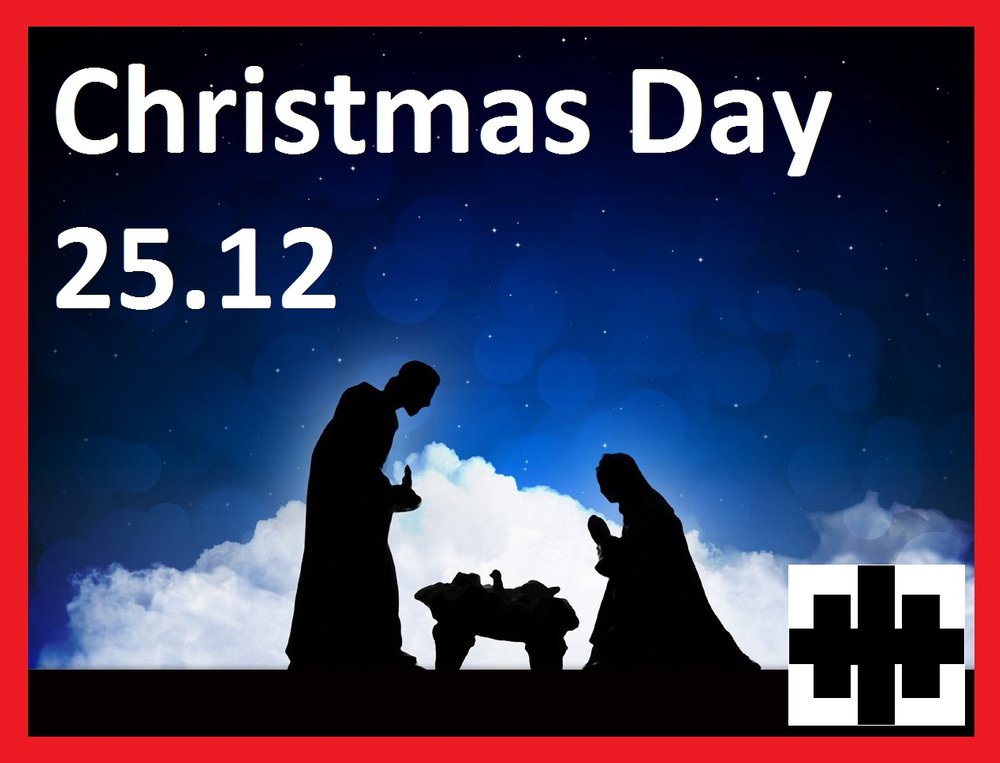
25 – Christmas Day
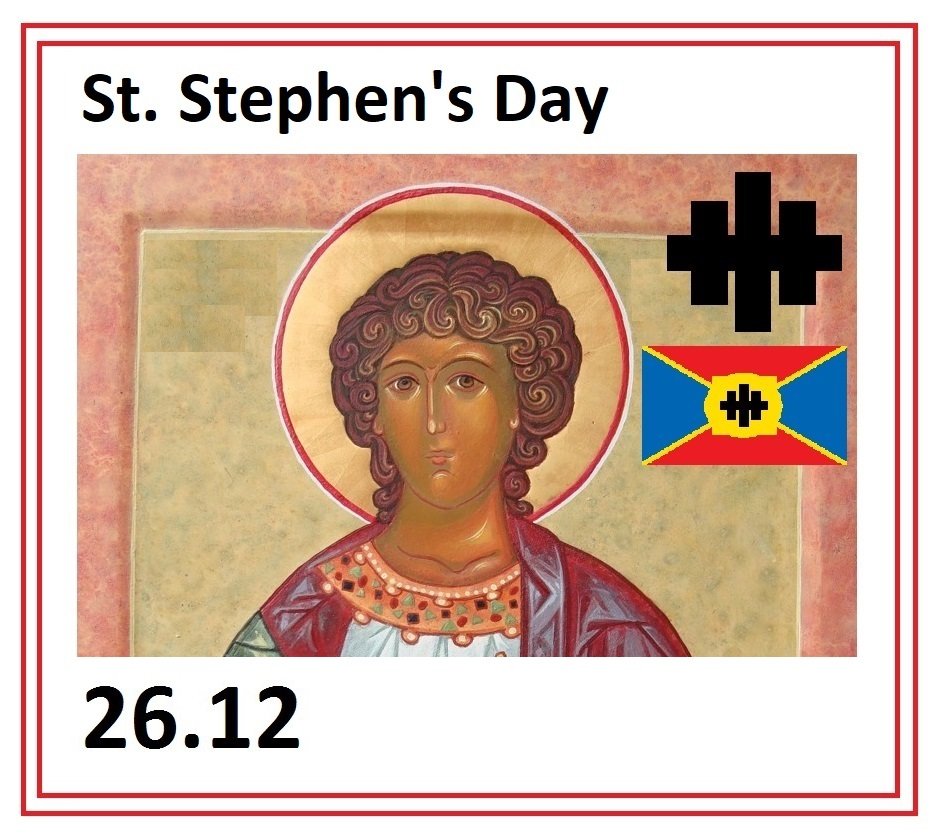
26 – St. Stephen's Day
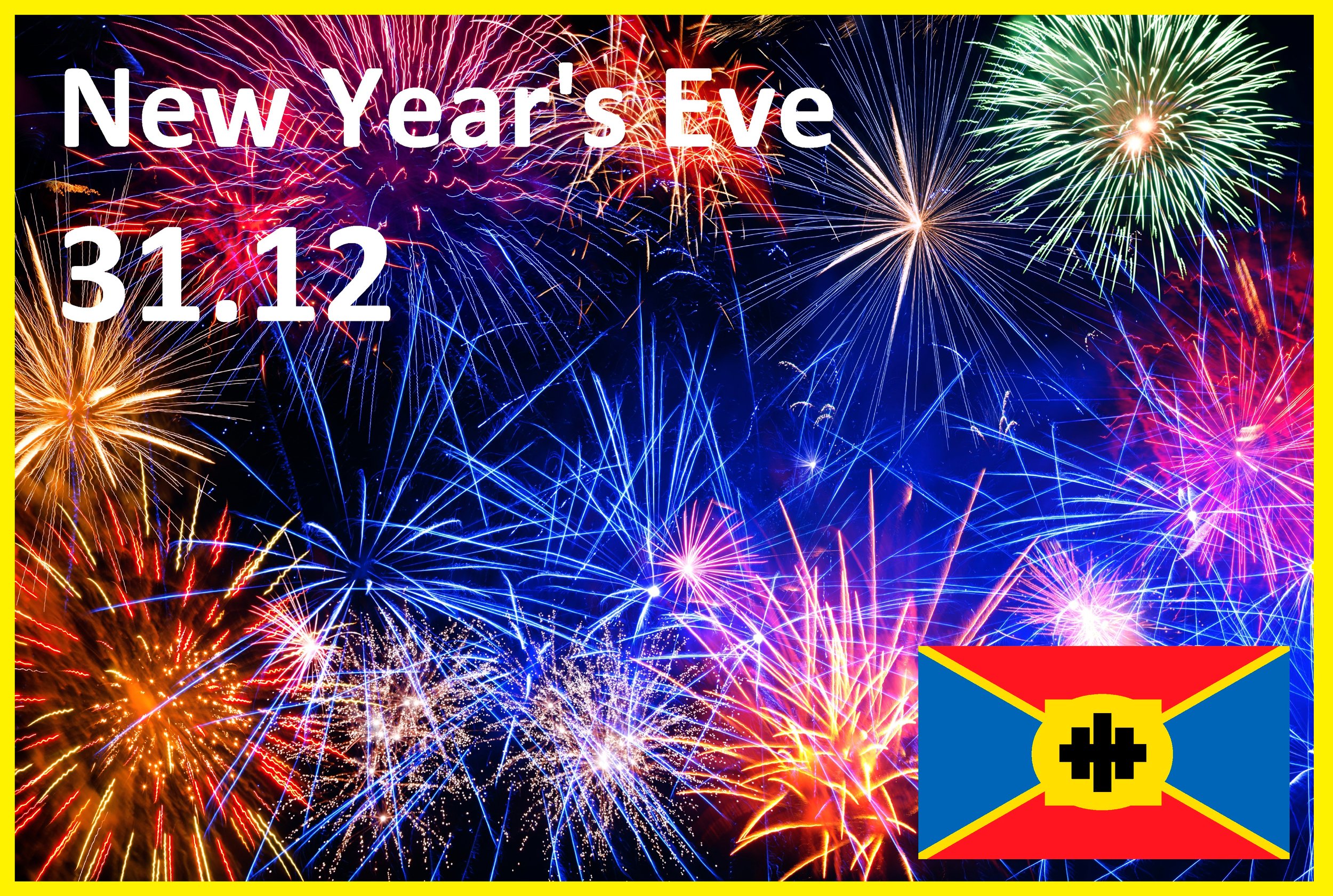
31 – New Year's Eve
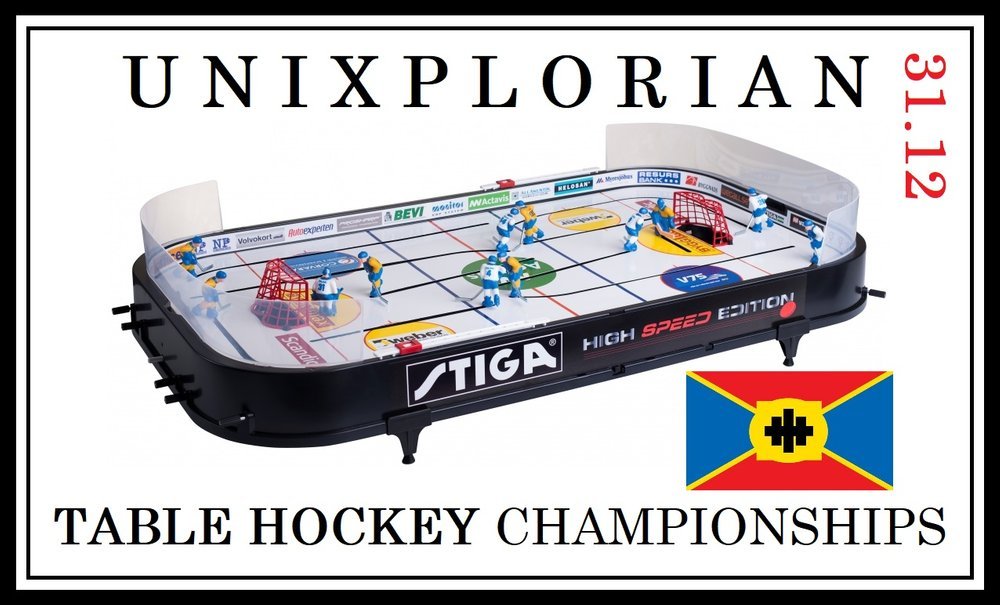
31 – Unixplorian Table Hockey Championships
















Calendar for Diversity and Inclusion
We constantly reassess our role as cultural mediators. Over the past year, one of our goals has been to be more inclusive and show the riches of minorities in terms of culture and customs.
We sincerely believe that increased knowledge will make the world more prosperous. Our faith and culture are no less valuable because we also highlight others. It is time to embrace humanity without sacrificing our own unique identity.
We want to learn from others and work in a spirit of tolerance and human unity. It is no coincidence that we have chosen the theme "diversity and inclusion."
Diversity without inclusion is just individual pieces of the puzzle; together, these pieces become a beautiful canvas. The canvas of human diversity grows with increased awareness, leading to a more tolerant society.
We welcome you to learn more about customs that may not be traditionally Unixplorian but are most definitely human.
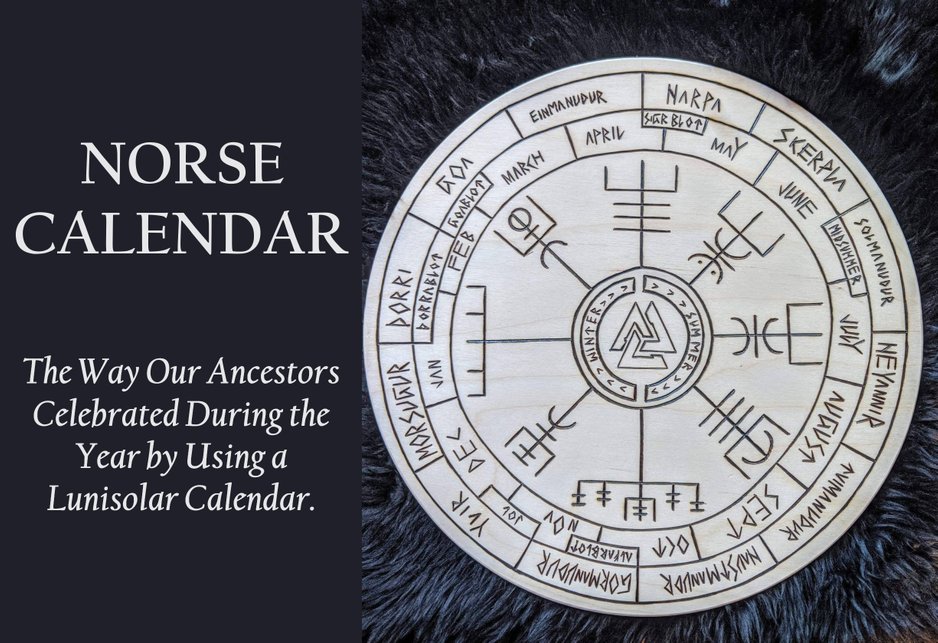
Norse Calendar
The Vikings' description of days and months reveals their beliefs and the challenges and opportunities each season brings.
The Norse year reflected the changes in seasons, such as the height of the sun in the sky, availability of food, and fertility. The year was divided into two halves, namely summer and winter. People's ages were counted by the winters they had lived through. It is believed that the "New Year" started on April 14, also the first day of summer.
In ancient times, the year was divided into moon phases, from new moon to new moon or full moon to full moon. However, counting days was not always accurate in Scandinavia because the nights were quite bright, making it challenging to observe the moon.
We invite you to learn more about our Viking heritage and their observed holidays. Learn more about our past to find out what Unixploria is today.
++++++ THIS WEBSITE IS BEST VIEWED ON A FULL-SIZE SCREEN ++++++
Books, Collections, and Micronational Dreams.
Copyright © 2006-2024. The Kingdom of Unixploria. All Rights Reserved unless otherwise stated.

GET IN TOUCH WITH US